Whether Roasted or Brewed, Catering To All
The World Bank has been a key partner to Angola in its Covid-19 response, and its assistance has included financing support, technical assistance and fiduciary guidance. The country is committed to building its capacity to remain vigilant and responsive to the challenges of Covid-19, even as it expands its economy.
Angola's effective airport Covid-19 screening program is helping to provide safety and security for travelers.
Unbottled
Ambition
In Angola, potential looms large. This vast country in southwestern Africa is rich in natural resources, and, as a new entrepreneurial spirit takes hold, many believe Angola is beginning an exciting new chapter following years of reform.
A series of business-friendly policies introduced over the last four years have helped to instill a new sense of optimism and opened Angola to investors like never before. One area forecast for growth is manufacturing production: While the pandemic dampened plans in 2020, the sector is expected to grow 3% this year and 4% in 2022.
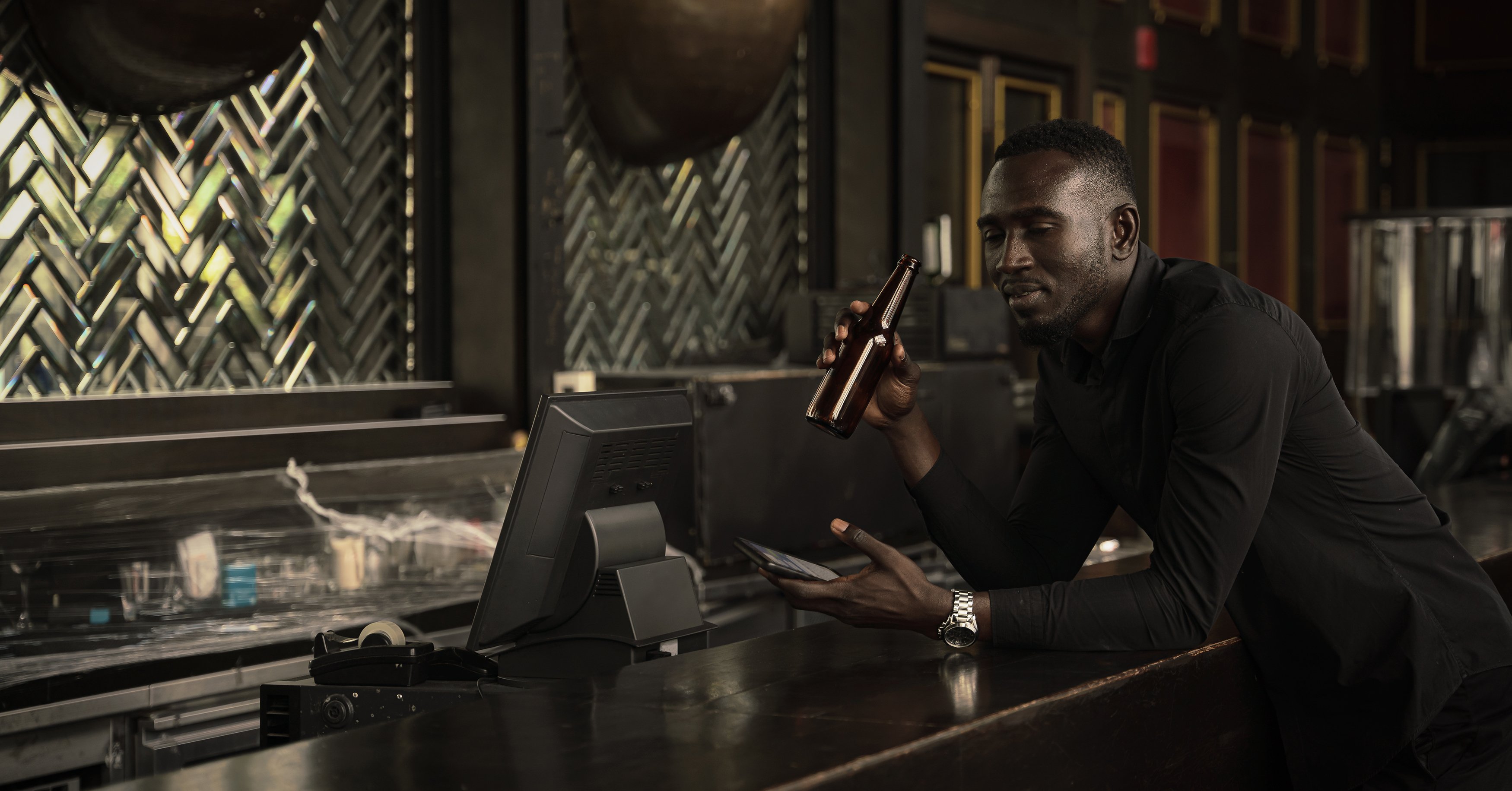
Angola’s beverage industry plays a key role in the economy, contributing about 4% to GDP. Beer is the nation’s alcoholic beverage of choice, but the country also has a well-established wine and spirits culture. Soft and hot drinks are also growing segments.
ADVANTAGE ANGOLA
“In 2020 we exported 56 tonnes this represents a big step in the growth of our company,”

Managing Director,
Angonabeiro
Miguel Carvalho
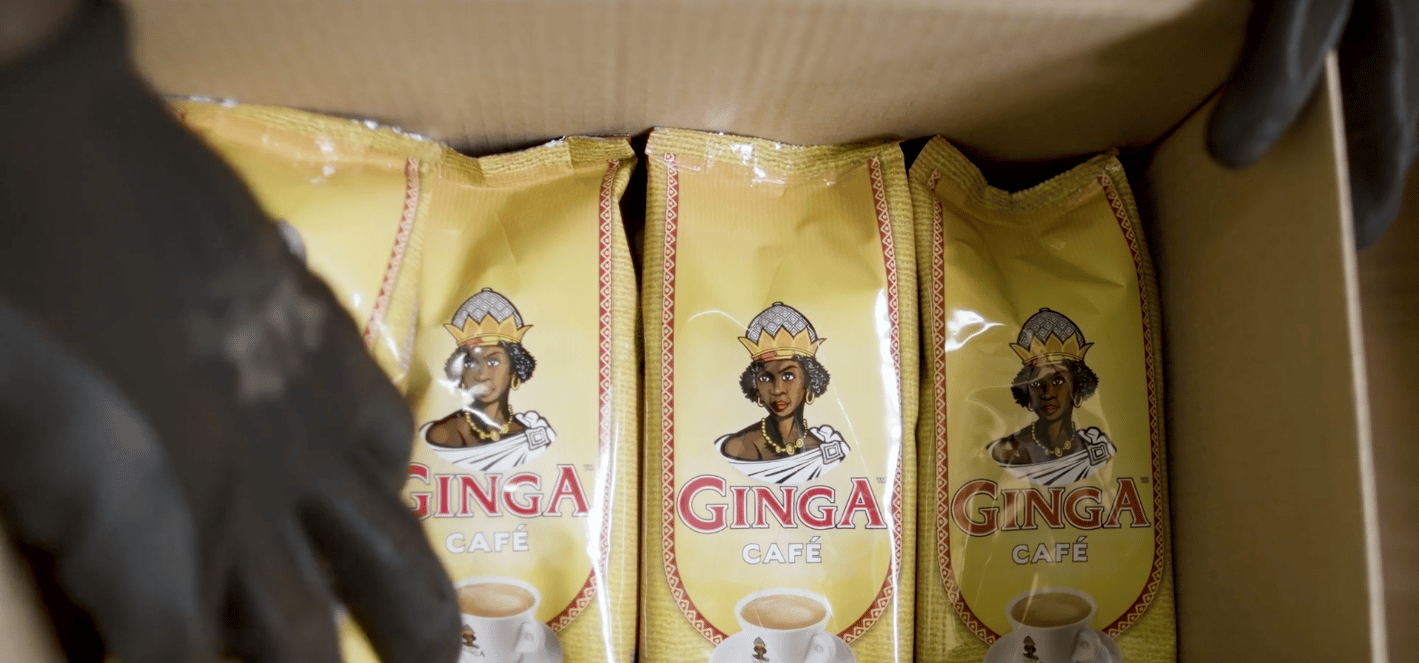
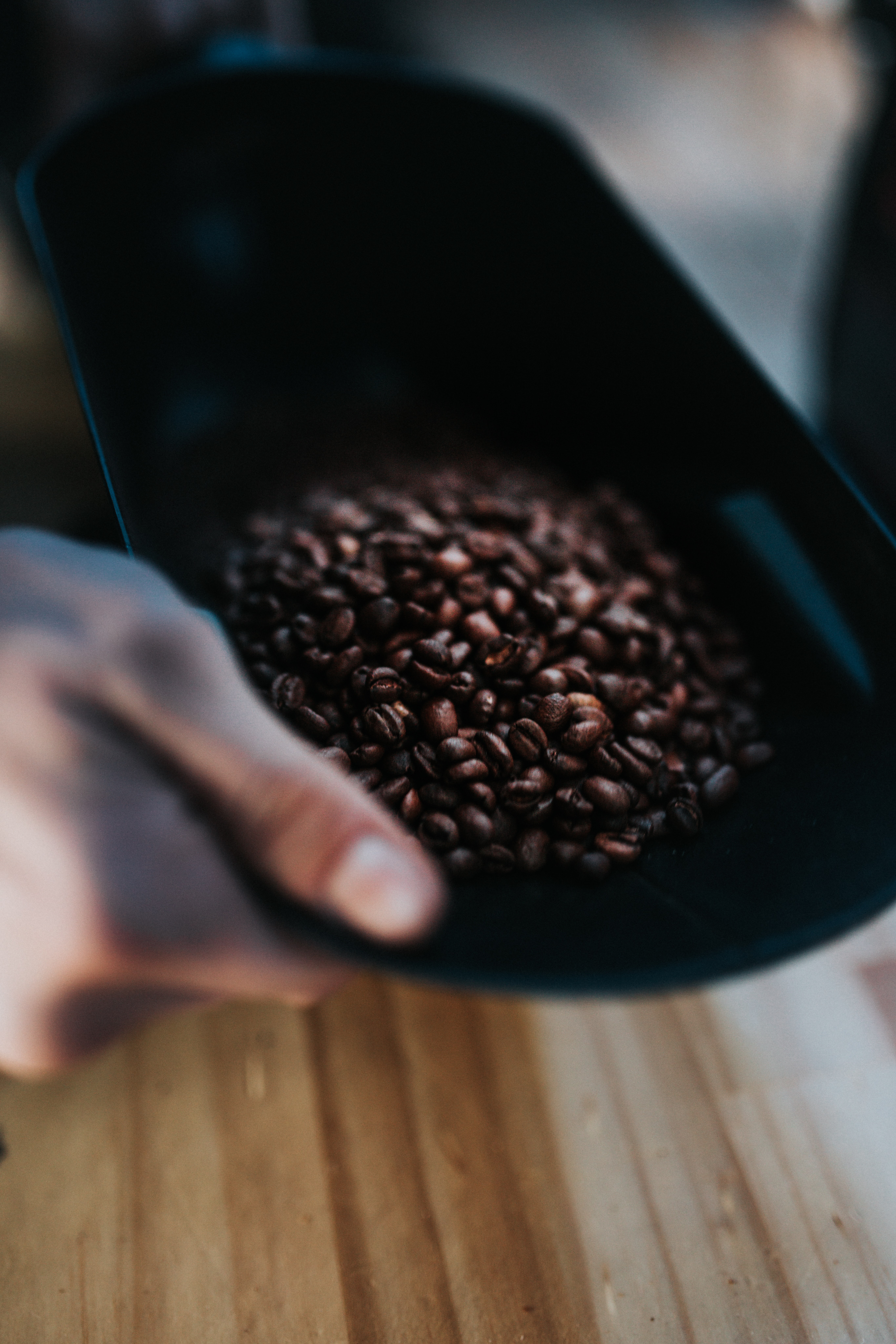
Angonabeiro, a specialist coffee company founded in 1998, produces Ginga, the nation’s most popular coffee brand. In its early years, the company had to overcome negative myths about coffee’s impact on health. The company enlisted the help of nutritionists and has seen coffee sales steadily rise each year.
“In 2020 we exported 56 tonnes this represents a big step in the growth of our company,” says Miguel Carvalho, Managing Director of Angonabeiro. “We have a good expectation to export three or four times more next year. There are many opportunities.
“In terms of green coffee—the unprocessed coffee that we export—for the 2020 and 2021 harvest, we exported about 1,200 tonnes. We have high hopes that once the pandemic has ended, we can increase exports further.”
Meanwhile, Angola’s alcoholic beverage sector is expected to grow 4.2% this year, according to Fitch Solutions, following a –6.2% contraction in 2020 due to Covid-related restrictions. Over the medium term, the market is forecast to grow from 1.3 billion liters in 2021 to 1.5 billion liters by 2025.
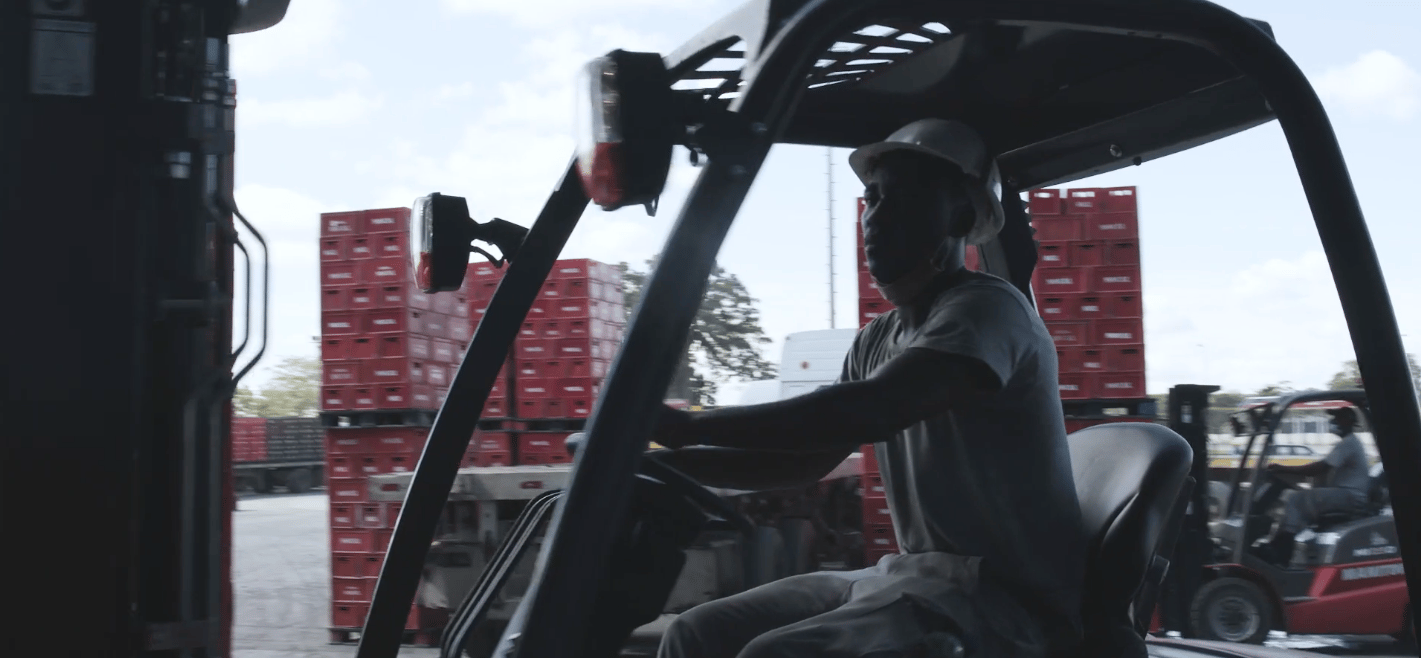
Castel Group, a French company that has been in the Angola market for more than 20 years, produces the leading Cuca beer as well as popular brands Nocal, Eka, Ngola and Bela. The group has several farms in Angola and is responsible for thousands of hectoliters of beer a year, and uses the latest technology to meet growing demand.
João Macedo
CEO, Novagrolide
“One of the main conditions for tropical fruit is a tropical climate”
“Our technology is always improving,” says Ana Medeiros, Quality Control Manager, Castel Group. “In the lab, we’re using polymerase chain reaction [PCR] technology to analyze the microbiology of our beer. The results are reliable and quick, meaning that we can continue faster and better.”
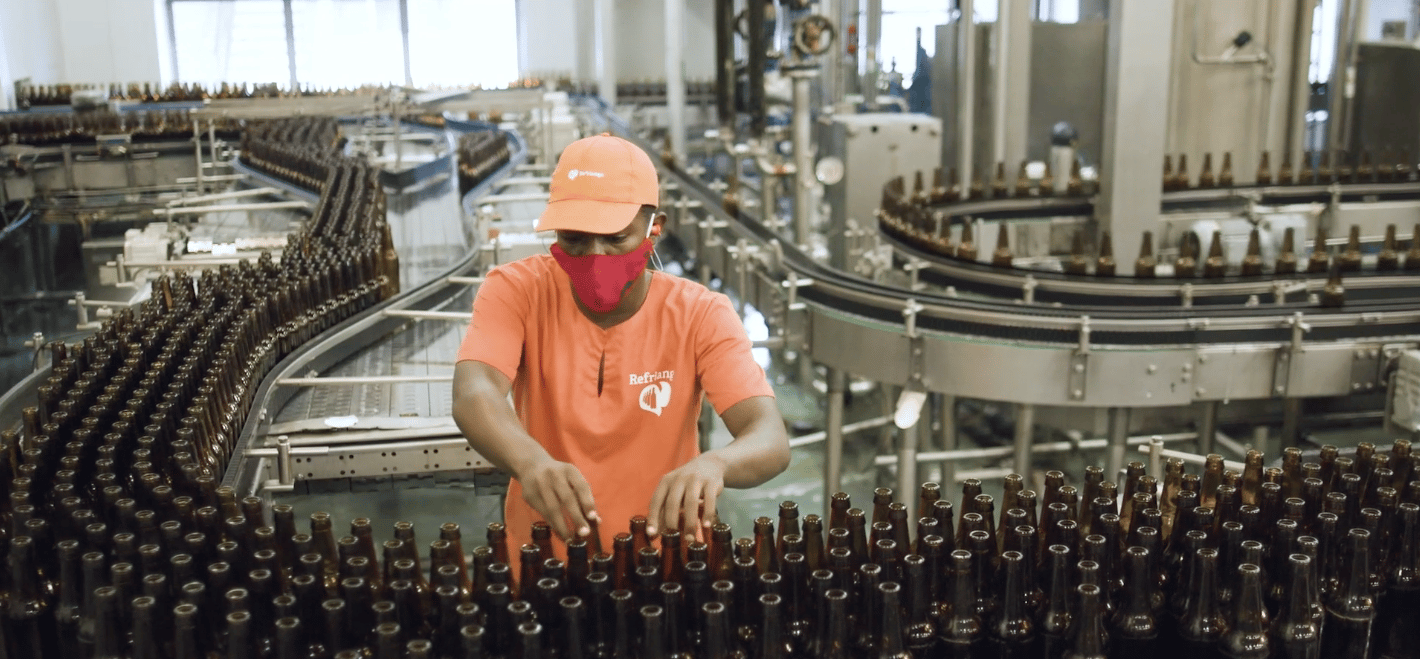
Refriango, another major soft drink and alcoholic beverage manufacturer, has 17 of its own brands, and, through joint ventures, produces some of the world’s leading brands, including Gordon’s and Smirnoff, and distributes others, such as Johnny Walker. The company also distributes Champagnes and cognacs through a partnership with France’s Moët Hennessy Louis Vuitton (LVMH).
COVID RESPONSE
AGRICULTURE
MANUFACTURING


WATCH ALSO
AGRICULTURE
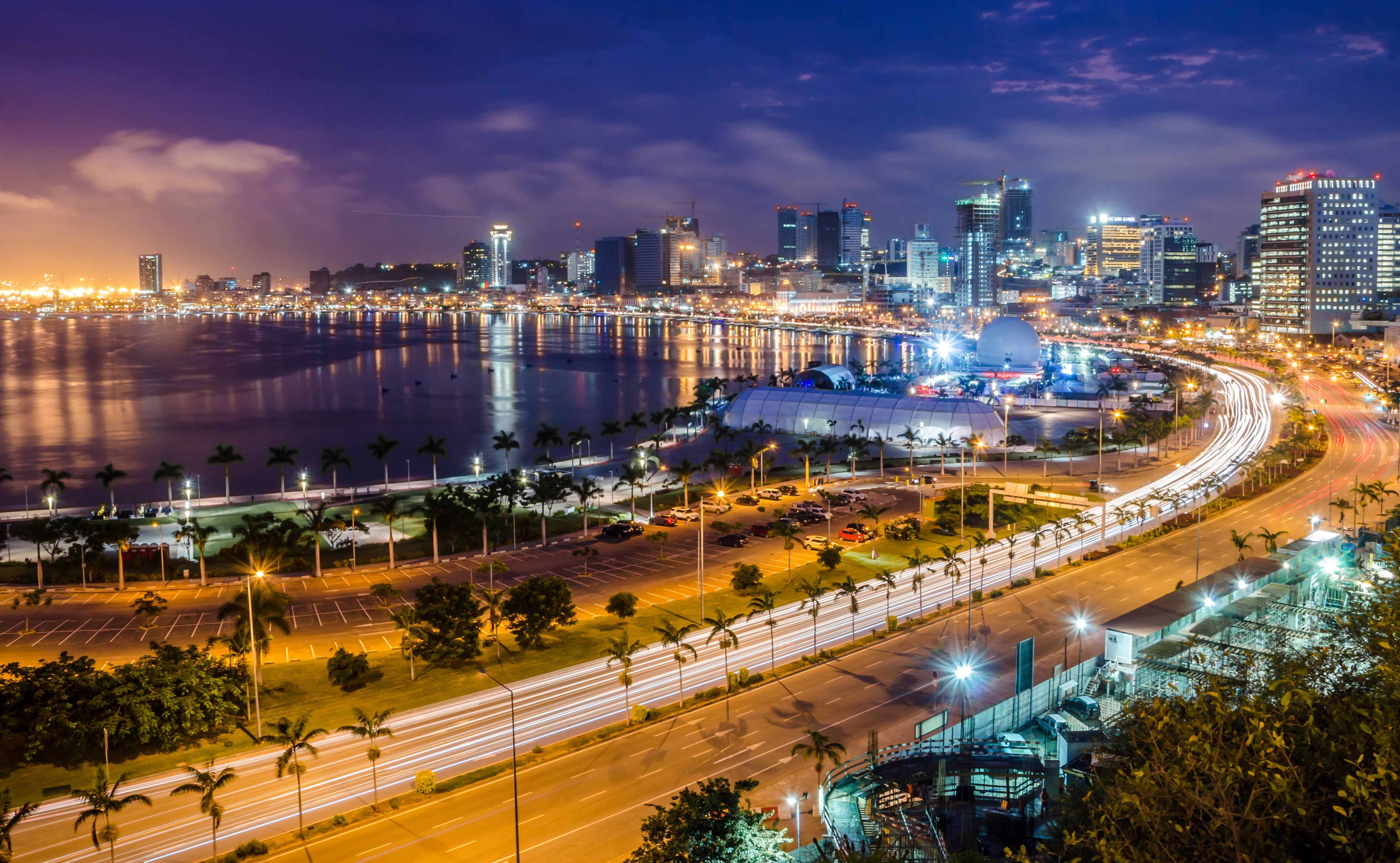
Rehabilitation of the line began in 2006 and alongside its restoration Lobito Port has been modernized and expanded at a cost of $1.25bn to increase capacity to 3.7 million tonnes of freight per year, rising to 4.1 million tonnes when operating to its maximum potential.
With Chinese assistance the railway has now been rebuilt and the corridor is already having an impact on the lives of the communities living and is contributing to social and economic transformation.
BACK

“2021 will be a year to bet. A year to make hard decisions, but the first ones to come here will be those who will succeed in the sector,” says Carvalho. “We have been contacting potential partners in different markets. We have started to have commercial partners in the United States, Canada, China, Ukraine, Russia and Portugal.”
FOOD & DRINK
Meeting Demand
ROTTERDAM
LUANDA
A Fertile Land With a Favorable Climate
AGRICULTURE


Rapid urbanization and an improving economic performance have spurred growth in the urban middle-class, expanding the core consumer base for alcoholic drinks. While the pandemic led to total sales declines in alcoholic drinks categories in 2020, the impact has not been as severe as other nations
The beer market in Angola was worth $2.75 billion in 2015 and is expected to reach $5.84 billion in 2025, representing a CAGR of 5.98% per annum for the period 2020-2025, reports Williams & Marshall Strategy.
READ MORE
BACK
due to its more affluent consumers avoiding it, reports EuroMonitor International. In terms of differences in the consumption of alcoholic drinks among consumers of different income levels, mid-priced beer and low-quality spirits and wines are consumed mainly by middle- and low-income consumers, while premium beer, RTDs and high-quality wine and spirits are consumed mainly by mid- to high-income consumers.
Reforms to privatize alcoholic and non-alcoholic retail look set to create more opportuinties for domestic and international investors.

“Refriango has one of the best factories in Africa, with over 50 acres, 2,000 employees and state-of-the-art technology, and it is the only national alcoholic beverage company to have the ISO 22000 certification,” says Diogo Caldas, CEO, Refriango.
“Our goal is to stay close to our customers and always meet their needs. Drinks manufacturing is already a big and growing business in Angola, and another largely untapped opportunity lies in its exporting potential.”
The big beverage companies are investing in training programs for Angola’s young workforce, often through partnerships with the government to create internships and scholarship opportunities. Foreign direct investors are being encouraged by a series of government reforms that are further opening up the market and improving infrastructure.

MINING
MANUFACTURING
Whether Roasted or Brewed, Catering To All
AGRICULTURE
For more information about investment opportunities in Angola visit AIPEX , a one-stop-shop created just for you.
LEARN MORE

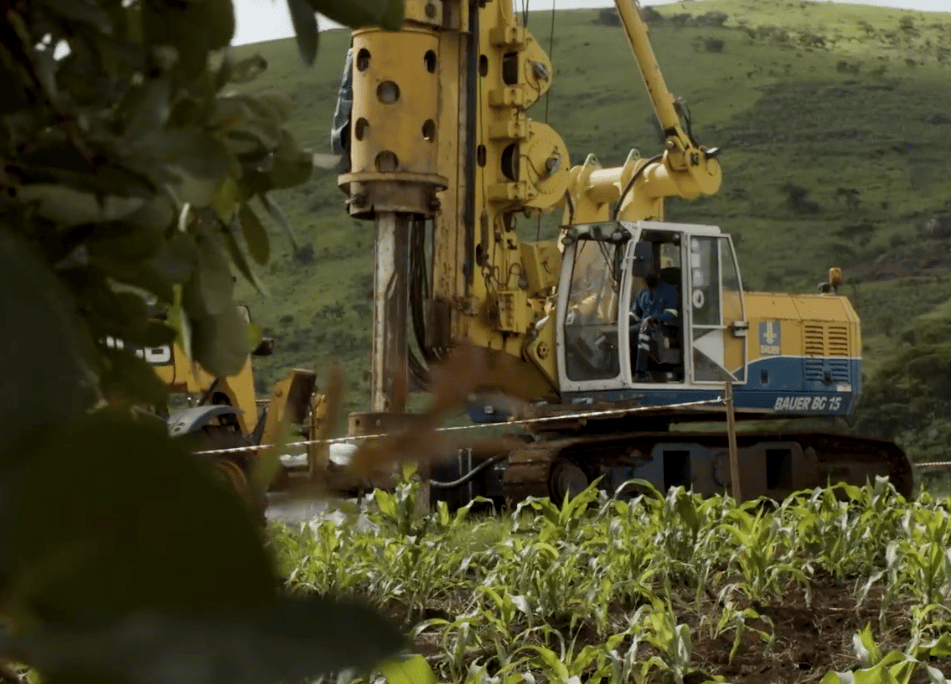
A Land Full of Rich and Varied Natural Resources
MINING
MINING
MINING
MINING
For more information about investment opportunities in Angola visit AIPEX , a one-stop-shop created just for you.
LEARN MORE
A Land Full of Rich and Varied Natural Resources
MINING
MINING
AGRICULTURE
A Fertile Land With a Favorable Climate
AGRICULTURE
Whether Roasted or Brewed, Catering To All
Manufacturing
Manufacturing
Linking Southern Africa to the Rest of the World
Infrastructure
Infrastructure
WATCH ALSO
AGRICULTURE
MINING
MANUFACTURING
Infrastructure
ENERGY
A Land Full of Rich and Varied Natural Resources
MINING
MINING
AGRICULTURE
A Fertile Land With a Favorable Climate
AGRICULTURE
Whether Roasted or Brewed, Catering To All
Manufacturing
Manufacturing
Linking Southern Africa to the Rest of the World
Infrastructure
Infrastructure
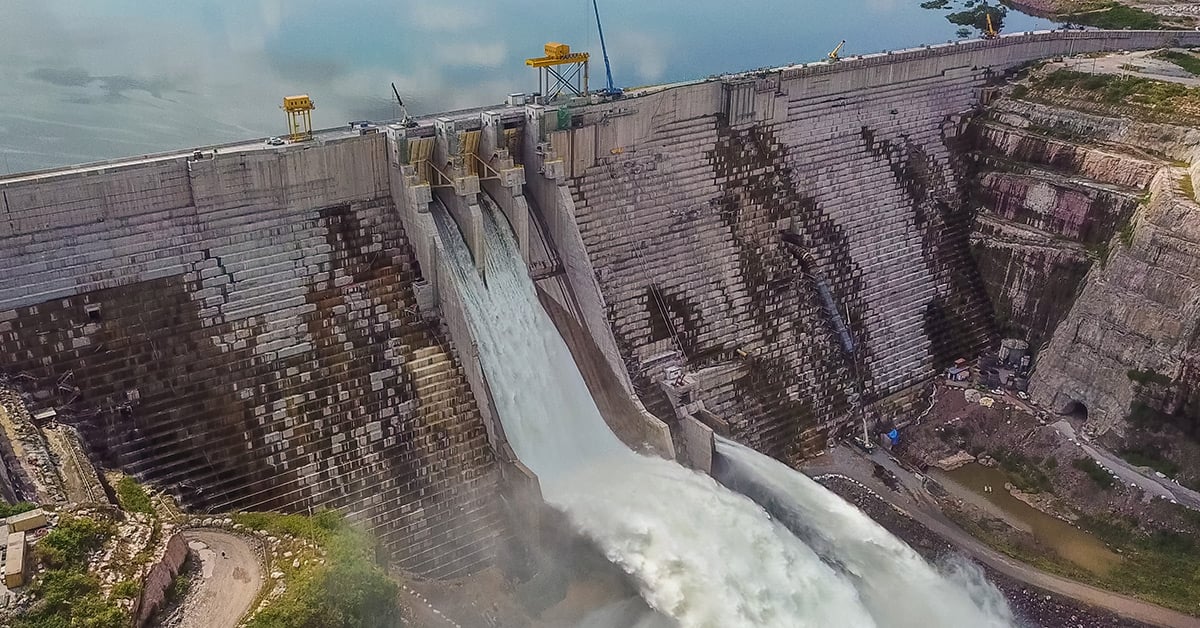
Leaving Fossil Fuels Behind
Energy
Energy
MINING
AGRICULTURE
MANUFACTURING
Infrastructure
ENERGY
Tourism
& CULTURE
MINING
AGRICULTURE
MANUFACTURING
Infrastructure
ENERGY
Tourism
& CULTURE
Exploring a Unique Culture in an Unspoiled Landscape

TOURISM
TOURISM
Exploring a Unique Culture in an Unspoiled Landscape
TOURISM
TOURISM